

RESIDENCY APPLICATION
Physician Residency Application, “The Match”
Sometimes the plan changes. That’s not a failure, it’s information.
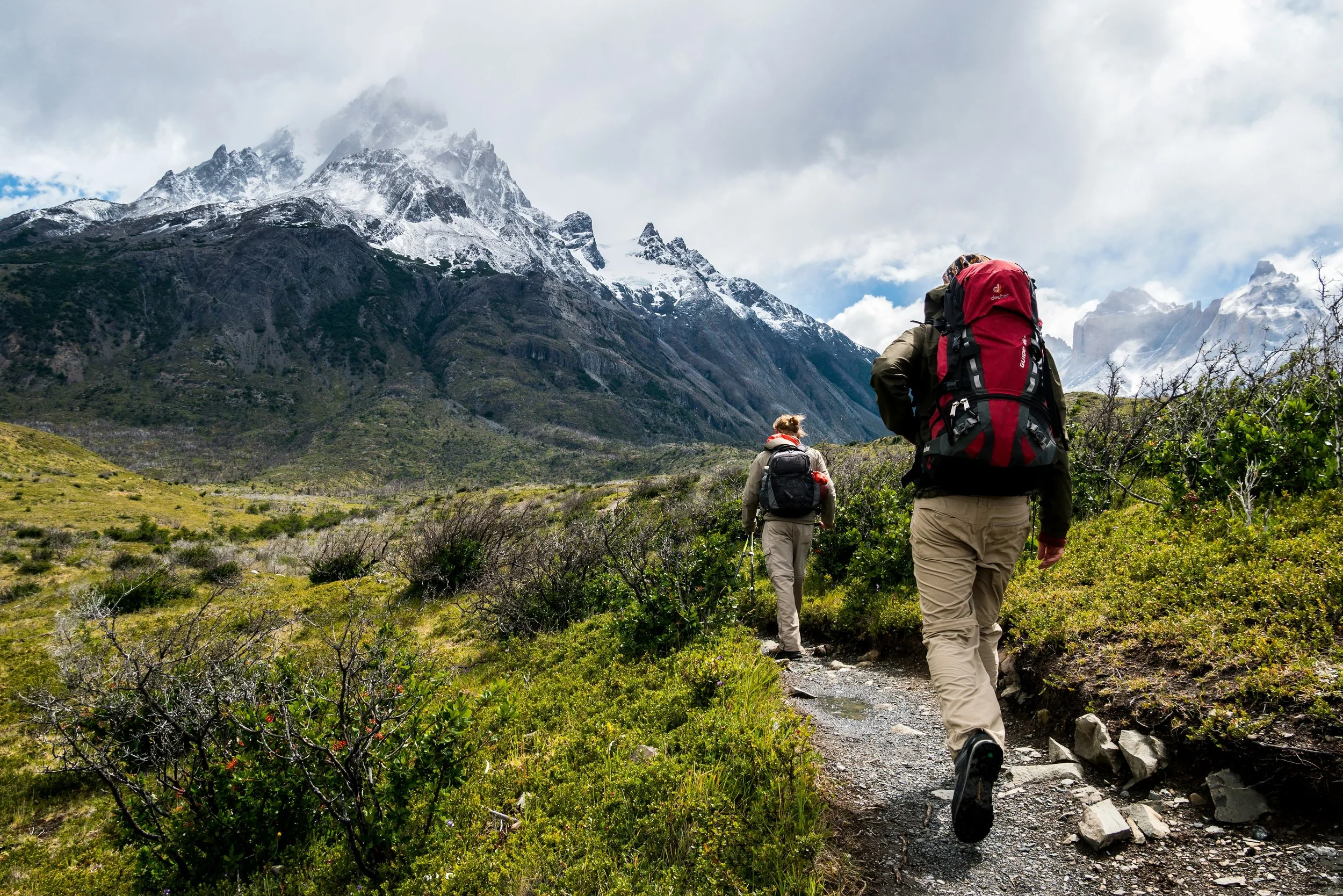
A Story before the Strategy
I planned on pediatrics for years, until a rotation taught me I didn’t enjoy working with babies, but loved working with kids and teenagers. A mentor pointed me toward Child and Adolescent Psychiatry, and I pivoted. I had real help crafting that application and preparing for interviews.
For 12 years, I paid that forward as a small group leader for a longitudinal learning community, mentoring the same students over all four years of medical school. I helped them prepare for their residency applications, specialties ranging from pediatrics to surgery and everything between. I was there on their Match Day, and I celebrated with them.
The process has also changed since I went through it. Preference signaling, geographic preferences, and specialty-specific essays now shape whether you even get an interview, knowing how to use these tools isn’t optional anymore.
It’s part of the job. I want to be a sherpa through that terrain, and a genuine complement to the Student Affairs teams already supporting you, not a replacement for them.
FOR APPLICANTS
The residency application process rewards applicants who can articulate not just what they want to do, but why, especially if that “why” required a pivot along the way.
Here’s why applicants work with us:
-
We've pivoted specialties ourselves.
We know firsthand that changing direction isn't a weakness in an application, it's a story, if you tell it honestly.
-
We've mentored residency applicants across nearly every specialty for over a decade.
Twelve years leading a longitudinal small-group cohort of medical students, and specialty was never the point, readiness was.
-
We understand the tools that didn't exist when we applied.
Preference signaling, geographic preferences, supplemental questions, we'll help you use each of them strategically instead of guessing at what they're worth.
-
Interview prep that’s actually realistic.
We’ll prepare you for the room, not just the questions, including the version of you that shows up nervous, because that’s who actually walks in most days.
-
Your rank list, sanity-checked.
We'll help you think clearly about fit, not just prestige, because where you actually thrive matters more than what sounds impressive at a conference.
-
Match Day is not the finish line for our relationship.
Whatever the outcome, matched, placed through the Supplemental Offer and Acceptance Program (SOAP), or otherwise, we're still here.
HOW THE DR. CHAN ILLUMINATE PROGRAM APPLIES TO RESIDENCY APPLICATIONS
-
01 — DISCOVER
A real conversation about specialty fit, program preferences, and what actually matters in this decision, including any pivot in the story so far.
-
02 — DIAGNOSE
We review the application, personal statement, and letters the way a program director actually will.
-
03 — BUILD THE NARRATIVE
We find the honest thread, including the pivot, if there is one, that ties the story together convincingly.
-
04 — REFINE THE CRAFT
Interviews get genuinely rehearsed, and signaling, geographic preference, and supplemental question strategy get real attention, not an afterthought.
-
05 — STAND BEHIND YOU
Through interview season, rank lists, Match Day, and, if needed, SOAP. All of it.
WHAT DOES THE LATEST DATA SAY?
-
53,000+ APPLICANTS
The 2026 Match was the largest in NRMP history.
More than 53,000 applicants registered for over 44,000 residency positions across more than 6,800 program tracks.
Source: NRMP, March 2026
-
99.3%
Almost all positions were ultimately filled.
More than 93% filled in the initial Match, rising to 99.3% once SOAP was included.
Source: NRMP 2026 Results and Data report
-
93.2%
DO seniors hit a record high.
U.S. osteopathic seniors achieved a 93.2% PGY-1 match rate, with 8,503 active applicants.
Source: NRMP, 2026
-
70%
U.S.-citizen IMGs also reached a record high.
They matched at a 70% PGY-1 rate, with an overall placement rate of 77.8%.
Source: NRMP, 2026; GradPilot analysis, 2026
-
56.4%
Non-U.S.-citizen IMGs.
They matched at 56.4%, a five-year low, though still meaning more than half of this rapidly growing applicant pool matched successfully.
Source: NRMP, 2026
-
96%
Preference signaling matters.
In a recent AAMC survey, 96% of responding programs said they used program signals to help decide who to invite to interview.
Source: AAMC, Students & Residents
The honest read: the Match is bigger and more competitive than ever, and success increasingly depends on using the process’s newer tools, signaling, geographic preference, specialty-specific strategy, correctly, not just having a strong application on paper.
PRICING
Packages are structured by how early you start, the earlier the runway, the more time to build a genuinely strong, well-rounded application rather than a rushed one.
THE ASSESSMENT
Best for: A focused, single-session read on specialty fit and readiness
Meetings: 1 session
Price: $800
Payment: Pay in full
MS4 / APPLICATION-YEAR START
Best for: Applicants beginning in their final year, closer to submission
Meetings: 10
Price: $6,000
Deposit: $600
Payment plan: $1,500/month × 4
MS3 START
Best for: Applicants beginning during their third year
Meetings: 20
Price: $12,000
Deposit: $1,200
Payment plan: $3,000/month × 4
MS1/MS2 EARLY START
Best for: Applicants beginning early — our most comprehensive option
Meetings: 23
Price: $13,800
Deposit: $1,380
Payment plan: $3,450/month × 4
A 6-month payment plan is available on any package at the same total, divided differently, if a lower monthly payment is preferred.
Whether you’re just starting to think about specialty fit or heading into interview season, there’s a place to start.